The Fillmore Auditorium: from Charles Sullivan's dances to Bill Graham's rock shows
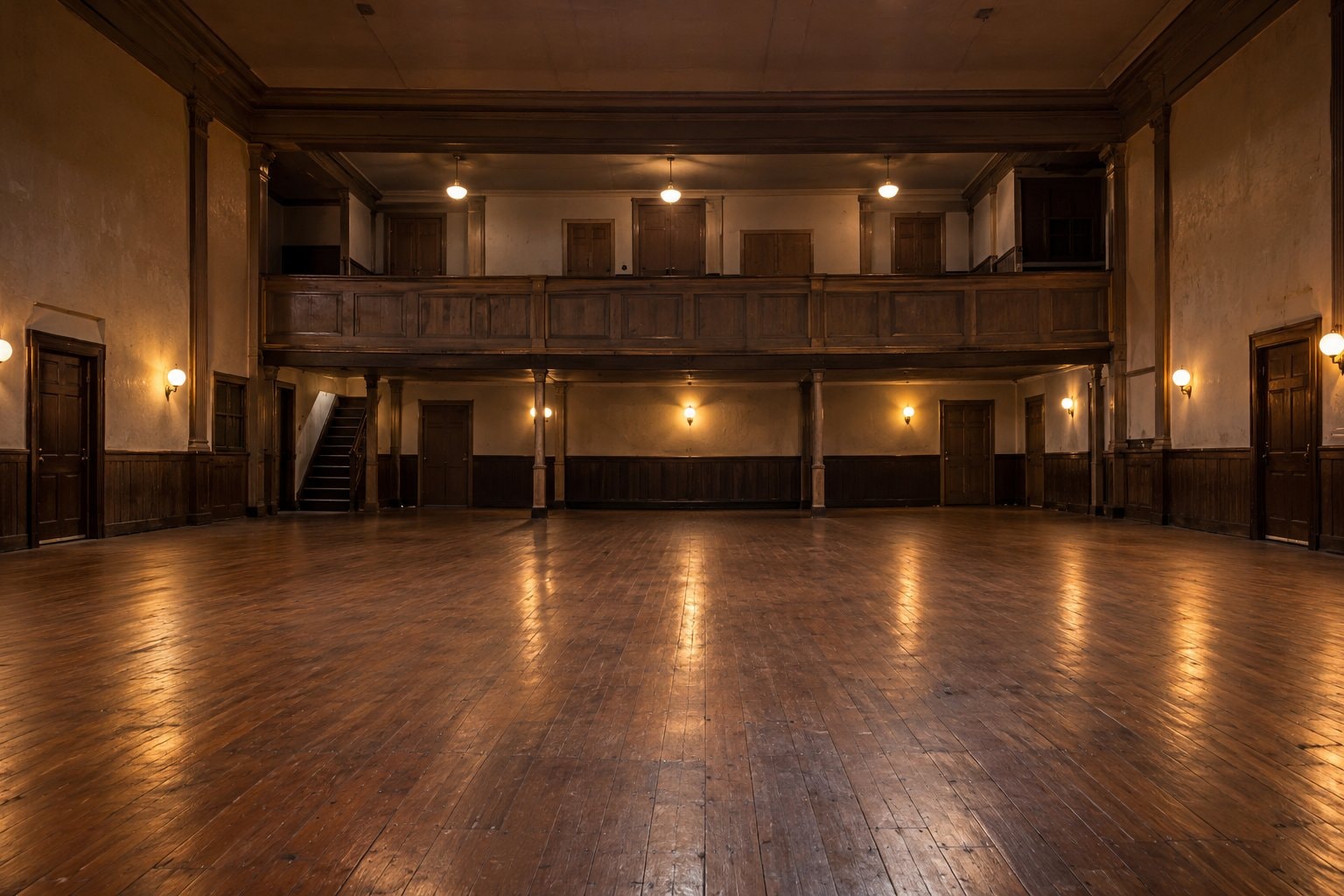
The Fillmore Auditorium’s history connects a neighborhood dance hall to a later center of rock music. Wikipedia’s history of the venue records a building dating to 1912 that first housed the Majestic Hall and Academy of Dancing. Before its concert life, it also served as a roller-skating rink. The changing uses are a reminder that a familiar venue name can cover several periods of a building’s history, with different audiences and different kinds of gathering.
Charles Sullivan and Black music
Wikipedia’s profile of Charles Sullivan identifies him as the Black concert promoter who created the Fillmore Auditorium. It describes his conversion of a segregated skating rink into a music venue and his role in presenting Black performers. That contribution belongs at the beginning of the hall’s concert history. The later association with Bill Graham and rock music can otherwise obscure the promoter and musical life that preceded it.
The venue history records Sullivan booking acts and presenting integrated dances. Its list of performers includes Louis Armstrong and Billie Holiday, placing the auditorium within a city whose jazz life also occupied smaller clubs. The room was different from a late-night gathering place such as Bop City, but the histories overlap through musicians and the wider audience for Black music. The hall’s early concert identity deserves to be read within that neighborhood setting.
Sullivan’s role was practical as well as cultural: he held the permission that enabled performances in the hall and arranged its musical activity. Wikipedia’s account describes him allowing Graham to use that dance-hall permit for a benefit for the San Francisco Mime Troupe. Graham then continued to present shows when Sullivan was not using the space. The later rock era began through an existing hall and an existing promoter’s arrangements.
Bill Graham and the rock audience
The same venue history describes the auditorium becoming closely associated with psychedelic music and the counterculture. It names bands including Jefferson Airplane and the Grateful Dead among the acts heard there. Yet the bookings were not confined to rock: the account also records jazz, soul and poetry readings. That range complicates a simple dividing line between a jazz past and a rock future. A hall could become known for a movement while still presenting varied work.
Light shows and dancing formed part of the setting described by the article. The auditorium was a room in which visual effects, movement and music came together. For a reader interested in jazz heritage, that later period offers a different use of a performance space already associated with Black music. It is a change in cultural setting and audience, rather than a reason to erase the earlier history from the building’s story.
Fillmore West was another venue
Wikipedia’s article on Fillmore West places Graham’s principal venue there from 1968 to 1971 and locates it at Market Street and South Van Ness Avenue. It was the former Carousel Ballroom, separate from the Fillmore Auditorium. The repeated name can make the histories easy to blur. Distinguishing the buildings helps when reading accounts of performances and recordings: an appearance at Fillmore West was not an appearance in the neighborhood’s original hall.
The Fillmore West account describes a larger dance-palace setting that Graham adopted after the auditorium. Before that change, the Carousel had briefly been managed by a collective of Bay Area bands. The history therefore includes successive uses and approaches to running a music room. The name connects the venues, while their different locations and earlier identities keep their stories separate.
Winterland forms another distinct thread. Wikipedia’s history of Winterland Ballroom describes an ice-skating rink and entertainment venue at Post and Steiner that Graham converted to exclusive musical use in 1971. It had already hosted occasional larger concerts before that change. The venue’s relationship to the Fillmore story is therefore organizational and musical, not a claim that it was the same building under another name.
The concert as a visual occasion
The hall’s light shows also connect its music history to psychedelic art. Wikipedia’s article on that art describes concert posters, album covers and light shows as related visual forms. It identifies bright contrasting colors, repeated motifs and inventive lettering among common features. Those general characteristics explain the wider visual culture without requiring the reproduction of an actual poster or a detailed imitation of a particular designer’s work.
A concert poster and a performance operate in different media, but both belong to the way a musical occasion enters public life. Looking at the broader art alongside the hall’s documented use of projected light makes that relationship visible. The subject continues on the jazz and art page, which considers painting, design and other visual forms around music.
For the neighborhood around Sullivan’s hall, turn to the Fillmore jazz era. For another scale of jazz performance, read about North Beach and the Tenderloin. Together, the auditorium’s earlier dances, its later rock shows and the city’s smaller jazz rooms describe several kinds of musical space. None alone can stand for the whole city’s history.