Bay Area jazz musicians of the Fillmore years and after
A regional jazz history comes into focus through the people who made its music. The Bay Area brought together bassists, guitarists, pianists and reed players whose careers crossed bandstands, recording sessions and classrooms. These profiles trace those connections through published biographies. They place familiar names beside musicians whose work made the local scene more than a stop on someone else's tour.
Vernon Alley
Wikipedia's biography of Vernon Alley identifies him as a jazz bassist whose career led back to San Francisco. He played with Saunders King, later put together his own local ensemble, and remained involved in radio and civic arts. His biography also describes his early use of the electric upright bass. Alley's story makes the bassist visible as more than an accompanist: the record includes ensemble leadership, changing instruments and a sustained place in the city's musical life.
Saunders King
Wikipedia's Saunders King article describes a guitarist and singer working across rhythm and blues and blues. His song “S.K. Blues” became a national hit and included an early example of recorded electric blues guitar. The biography follows his performances through San Francisco clubs and radio work. King belongs in this regional account because a jazz neighborhood did not consist of a single musical idiom. His guitar and singing bring the adjoining world of blues into the picture without turning those traditions into interchangeable names.
Pony Poindexter
Wikipedia's biography of Pony Poindexter follows a saxophonist who began on clarinet, took up alto and tenor saxophone, and later added soprano. He studied at an Oakland conservatory after the war and played in a quartet with Vernon Alley. His work included leading groups, playing as a sideman and recording with Charlie Parker. His career also extended to Europe. That sequence places Oakland study and Bay Area collaboration within a wider working life, with changes of instrument and musical setting running through the same biography.
John Handy
Wikipedia's John Handy article connects an alto saxophonist with performance, composition and teaching. Handy became prominent through work with Charles Mingus and later led his own groups. A Monterey Jazz Festival performance by his quintet became a recording; compositions from the group brought Grammy nominations. His biography also records music history and performance teaching at Bay Area institutions. The combination matters: the regional story includes the classroom alongside the bandstand, and the musician as a source of musical knowledge as well as a featured soloist.
Eddie Duran
Wikipedia's Eddie Duran biography describes a San Francisco guitarist who recorded frequently with Vince Guaraldi and worked with visiting jazz musicians. It also connects him to Cal Tjader's ensembles and to a radio orchestra in the city. Duran led a trio as well as working in other musicians' groups. Read beside Guaraldi and Tjader, his career gives these names a shared context. The guitar becomes a thread through small ensembles, broadcasts and recordings rather than an isolated entry in a list of instruments.
Vince Guaraldi
Wikipedia's biography places pianist and composer Vince Guaraldi's beginnings in San Francisco's North Beach. It describes work with Cal Tjader and a trio with Eddie Duran that performed at the hungry i. Guaraldi's own composition “Cast Your Fate to the Wind” became a radio success and received a Grammy Award. His music also reached audiences through animated television. These strands show a composer moving among neighborhood rooms, small-group jazz and a broad listening public. The local collaborations remain part of that story even when a melody travels much farther.
Cal Tjader
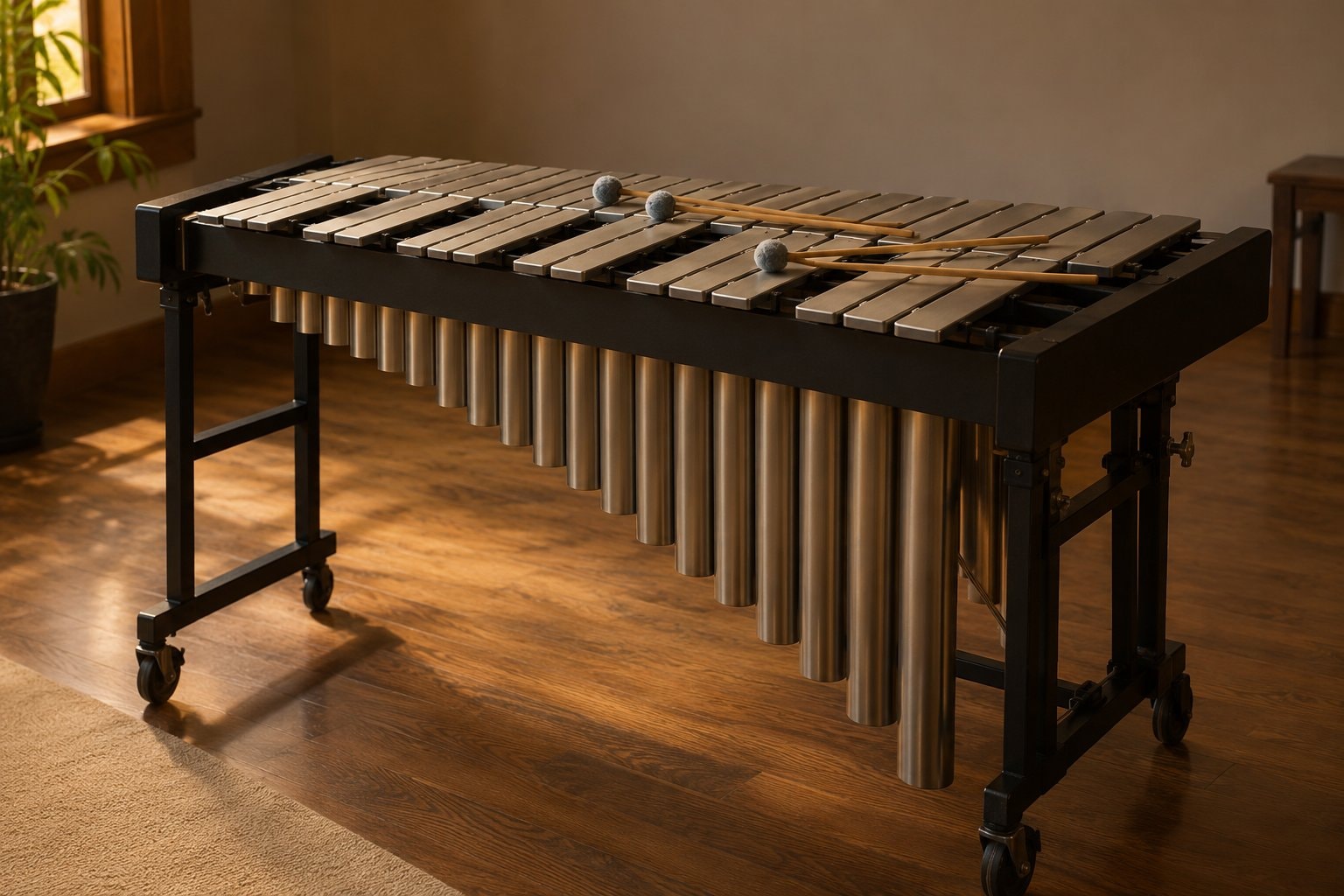
Wikipedia's Cal Tjader article identifies the vibraphone as his main instrument while also describing his command of drums and other percussion. He explored Latin music and small-group modern jazz, working with musicians from different cultures. The biography connects him to Dave Brubeck and Paul Desmond during his San Francisco student years and later to Vince Guaraldi. Tjader's career makes the limits of a single style label clear. His recorded work moved between musical settings, and the same regional network could sustain different rhythms and ensemble sounds.
Dave Brubeck
Wikipedia's Dave Brubeck biography identifies a pianist and composer born in Concord. It associates his music with cool jazz, contrasting rhythms and unusual meters, as well as with the blending of classical music, jazz and blues. The quartet bearing his name included Paul Desmond on saxophone. The biography presents Brubeck as both an improviser and a composer interested in musical structure. Those roles belong together: a carefully planned form can be the setting for an improvised performance rather than a limit on it.
Paul Desmond
Wikipedia's Paul Desmond biography describes a San Francisco-born alto saxophonist, composer and exponent of cool jazz who worked in the Dave Brubeck Quartet and led groups of his own. Wikipedia's article on “Take Five” credits Desmond with the composition, recorded by that quartet for Time Out. The distinction between the composer's name and the ensemble's name helps make the musical partnership legible. Desmond's profile is connected to Brubeck's, while the composition and his separate groups give it a shape of its own.
Recognition and the regional story
The National Endowment for the Arts describes its NEA Jazz Masters Fellowship as the nation's highest honor for jazz artists, recognizing exceptional contributions to the music. Wikipedia's recipient list includes Dave Brubeck. A national honor offers one way to follow a career, while local ensembles, teaching and recurring collaborations offer others. Together they make a regional history richer than a ranking of celebrated soloists.
The musical language of these careers is explored in swing, bebop, cool and hard bop. Their neighborhood setting belongs beside the Fillmore jazz era, and the practice of keeping their stories is discussed in oral history, honors and collections.