San Francisco · The Fillmore
San Francisco's jazz heritage
San Francisco’s jazz heritage belongs to rooms and streets as well as to records. The Fillmore offers a place to begin: a neighborhood where clubs stood near homes, businesses and other gathering places, and where local players met musicians passing through the city. A famous solo can open the story. The audience, the room and the surrounding neighborhood help explain what made that solo part of a living musical culture.
Wikipedia’s account of the Fillmore District describes the neighborhood’s jazz life in the 1940s and 1950s under the name “Harlem of the West.” It names visiting performers including Louis Armstrong, John Coltrane, Ella Fitzgerald, Billie Holiday and Charlie Parker, alongside a street crowded with nightclubs. The phrase connects music with a place. It points to a concentration of performance and Black cultural life rather than to a single club or a single style.
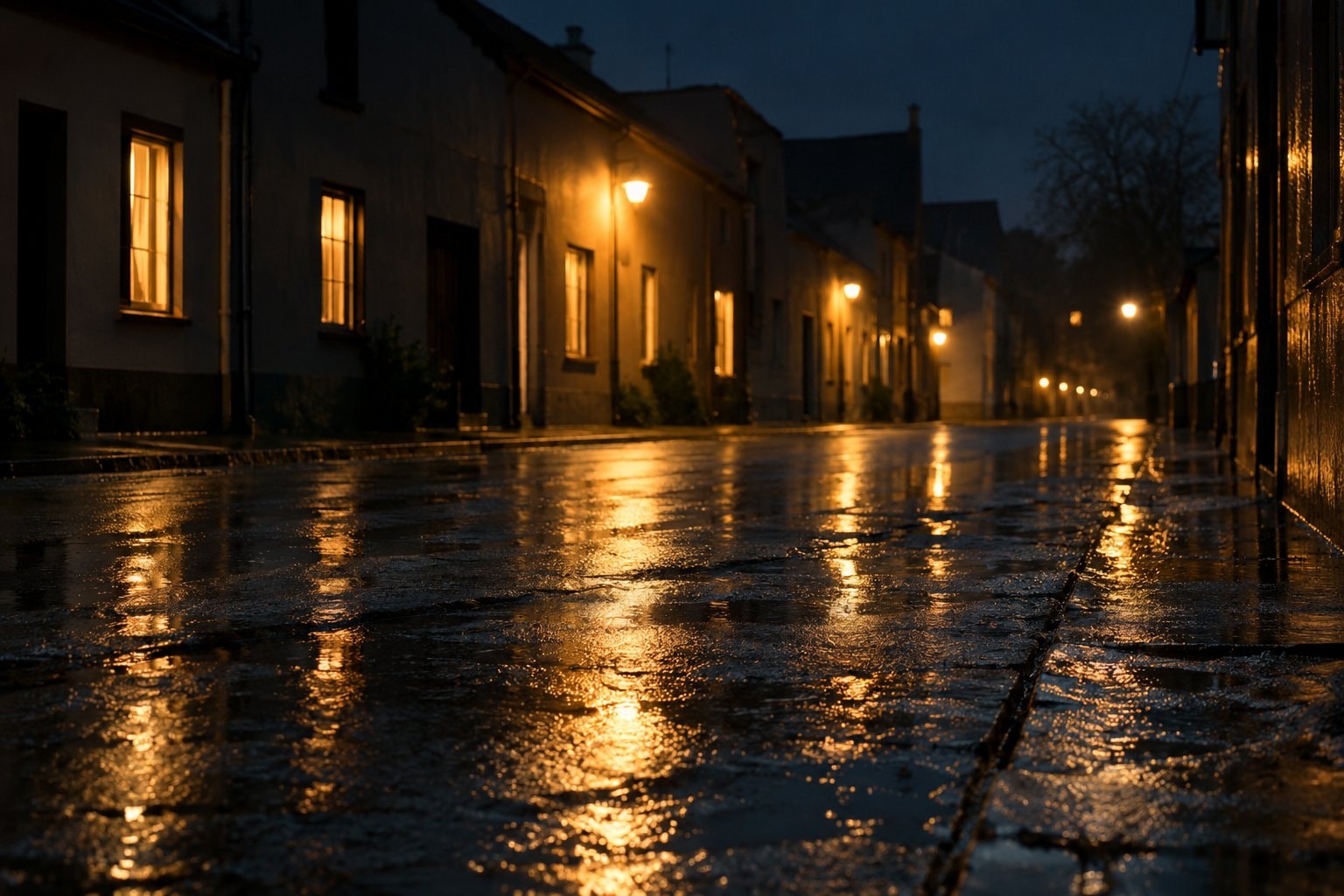
A neighborhood that made an audience
The jazz years grew from a larger movement of people. FoundSF’s history of wartime migration describes Black workers arriving for wartime employment and settling largely in the Fillmore, while housing discrimination narrowed the places where they could live. Japanese Americans had been forcibly removed and incarcerated, leaving homes in the neighborhood empty. These histories meet in the same streets, but they should retain their distinct meanings: employment and migration for one community, removal and injustice for another.
That setting gives the clubs a wider significance. Restaurants, theaters and music rooms were part of a neighborhood, rather than isolated attractions. Looking at the audience alongside the band brings work, housing and community institutions into the story. A jazz history that follows only celebrated performers misses much of the life that enabled the music to be heard. The Fillmore pages therefore move between musical encounters and the conditions around them.
Begin with the Fillmore jazz era for the relationship between clubs, musicians and listeners. Then use the neighborhood history to place those rooms alongside the Jewish Fillmore, Japantown and wartime migration. The detail pages take these subjects at a slower pace. They make room for different communities without treating their experiences as interchangeable stages in a single story.
What changed when the streets changed
FoundSF’s history of the Western Addition traces the destruction brought by redevelopment, as well as the movement of some Victorian buildings to other sites. A surviving house can carry a connection to a vanished music room without preserving the surrounding neighborhood. The distinction matters. A building, the people who used it and the network of businesses around it are related parts of the past, and their histories can diverge.
The redevelopment pages follow those changes with attributed accounts rather than a smooth tale of progress. They connect jazz history to the loss of homes and businesses, to opposition and to later attempts to recognize the district’s musical life. The Fillmore Heritage Center belongs to that later chapter. It should be read alongside the neighborhood history, so that a new building does not stand in for the community whose name and music it invoked.
Beyond a single district
The wider reference follows jazz into North Beach and the Tenderloin, into Bay Area musicians’ careers and into Asian American jazz. These pages widen the frame without making the Fillmore merely an introduction to somewhere else. They offer different points of entry: a club and its recordings, a musician’s instrument, or the meeting of musical traditions. The connections between pages let the reader move from a place to a sound and back again.
The Music section explains styles and improvisation, then turns to oral history, honors and collections. Art, Photographs & Film considers how sound enters other media. A photograph, painting or film has its own way of presenting a performance; the relevant pages keep those forms separate enough to see their differences. Further reading supplies annotated routes into the sources, while the education page addresses teaching as a subject for parents and teachers.
A nonprofit of the same name ran a jazz gallery and lobby exhibitions in the Fillmore Heritage Center until it closed soon after Yoshi’s San Francisco shut in 2014, as the San Francisco Chronicle reported; its story is told in About the Jazz Heritage Center.
For a first reading, follow the neighborhood through its music rooms, then choose a related medium or musician. For a focused question, turn directly to the grouped guide below or the further-reading page. Both approaches leave room for the same essential relationship: jazz is heard through individual performances, while its heritage is understood through the people, places and records surrounding them.
Explore the reference
The Fillmore
- The Fillmore jazz era
The clubs, audiences and barriers behind the Harlem of the West.
- Bop City
A late-night room where musicians met beyond their regular engagements.
- The Fillmore Auditorium
The hall, its promoters and the change from dances to rock concerts.
- A neighborhood history
The communities and movements that shaped the Fillmore.
- The Jewish Fillmore
Earthquake displacement, neighborhood institutions and a post-war move away.
- Japantown and the Fillmore
Japanese American community life, incarceration, return and redress.
- Redevelopment
Urban renewal, displacement and the movement of Victorian houses.
- The Fillmore Heritage Center
A later building and the effort to give jazz a place in the district.
Around the Bay
- North Beach and the Tenderloin
A wider city of clubs, recordings and musical encounters.
- Jazz and poetry
The Cellar, spoken verse and the San Francisco literary scene.
- Asian American jazz
Bay Area musicians and the musical traditions their work brought together.
- Bay Area jazz musicians
Profiles of local instrumentalists and their varied careers.
The Music
- Jazz styles
Swing, bebop, cool and hard bop, with improvisation at the center.
- Keeping jazz history
Oral history, honors and performing-arts collections.
- How jazz is taught
A neutral reference for parents and teachers about music education.
- Playing for a lifetime
Attributed research about musicians’ working bodies and hearing.
Art, Photographs & Film
- Lush Life: jazz and art
Painting, album design, murals and the visual culture around jazz.
- Jazz photography
Different approaches to picturing musicians and performance.
- The Fillmore in photographs
Pictures, books and exhibitions about a changing neighborhood.
- Jazz on film
Short music films, features and documentaries as different ways of seeing jazz.
About
- About the Jazz Heritage Center
The closed nonprofit and the purpose of this independent reference.
- The center’s exhibitions
Gallery and lobby shows documented by published press accounts.
- Further reading
Annotated sources arranged by the subjects covered here.